
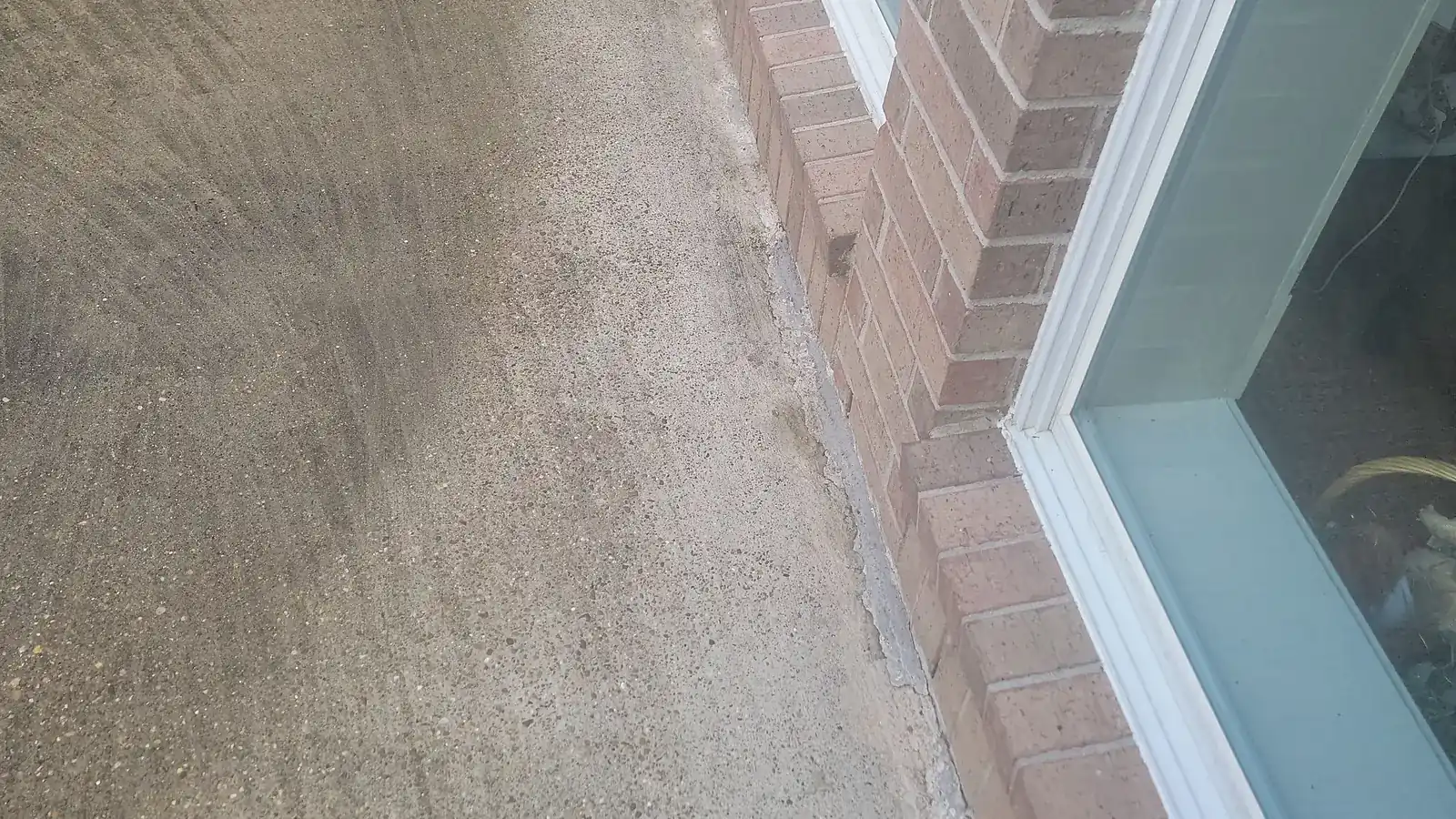
French Drain Cost: What Drives the Price in the Houston Area
A French drain has no single price, because no two yards need the same drain. The total comes from how long the run is, how deep it has to go, how many low spots need an inlet, where the water can legally leave the lot, and how hard the yard is to dig. This guide walks through each of those, what a written estimate should spell out, and how to keep the cost down.
- Free on-site assessment
- French drains and yard drainage
- Repairs to existing drains
- Office in League City
How much does a French drain cost in the Houston area?
- Lengthsets the baseline: pipe, trench and lawn to restore
- Inletseach catch basin adds a connection and a run of pipe
- Outletcurb, ditch, emitter or pump changes the scope
- Freeon-site measurement and a written price
It depends on the yard, and the differences between yards are large. A short line along one fence and a system that collects water from several low spots and carries it across the front lawn to the curb are both "a French drain," but they are very different jobs. The fair answer is a written price after someone measures your lot.
What you can know before anyone visits is what makes the number go up or down. Six things do most of the work: the length of the run, the depth, the number of inlets, the distance and type of outlet, access for equipment, and the soil. Lawn restoration and whether you need a new drain or a repair round out the list.
We do not publish a price list, because a list would mislead more homeowners than it would help. We come out for a free on-site assessment, measure the run and the fall, and give you a written estimate with each part of the job shown.
What makes a French drain cost more or less?
Length sets the baseline, and five other factors decide where your job lands from there: depth, inlets, the outlet, access and soil. On many lots the outlet and the number of inlets move the total as much as raw footage does. Here is how each one shows up on an estimate.
| Factor | What raises the cost | What keeps it down |
|---|---|---|
| Length | A long run from the back fence to the street | Lower ground for an outlet close to the wet area |
| Depth | A long, flat lot where the trench must deepen to keep fall | Natural slope toward the outlet |
| Inlets | Several separate low spots, each needing a catch basin | One low spot, or inlets placed right on the drain route |
| Outlet | Solid pipe to a distant curb, or a pump where gravity cannot work | A nearby ditch, curb or genuinely lower part of the lot |
| Access | Narrow side yards, fences, slabs and walks to cross | A wide gate and open lawn a trencher can reach |
| Soil and obstacles | Dense clay, roots, sprinkler lines, beds, concrete to cut | Open ground with few buried lines |
- Length. More footage means more pipe, more stone, more trench and more lawn to put back. Because part of every job is close to fixed, longer runs tend to cost less per foot even as the total rises.
- Depth. A deeper trench moves more soil and takes more stone around perforated pipe. On a flat lot, a long run gets deeper as it falls toward the outlet, which is why length and depth often rise together.
- Number of inlets. Each catch basin adds the box, a grate, fittings and the pipe that ties it to the line. One inlet on the route is minor. Several scattered across the yard add up.
- Distance to the outlet. The drain has to empty somewhere lower than every point of the pipe, and somewhere legal. A curb or ditch close by is simple. A solid line across the front yard, or a yard sump pump where gravity cannot do it, adds real scope.
- Access. A backyard with a wide gate lets a trencher in. A narrow side yard between a fence and a brick wall can mean hand digging. Crossing under a walk or cutting and patching a slab adds its own work.
- Soil and obstacles. Dense clay, tree roots, sprinkler lines, planting beds and concrete edges all slow a crew down.
Downspouts are a common add-on. Roof water belongs in its own solid pipe, not in the perforated drain, so tying gutters in means extra pipe and fittings. Our page on underground downspout drain lines covers how those are routed.
How does the outlet choice change the price?
The outlet is often the single biggest swing on a French drain estimate. It decides how much solid pipe runs past the wet area, how deep the trench has to go, and whether the job needs a pump. Choosing it well is a design question first and a cost question second.
- Curb or street outlet. Common on flat lots because the street is often the lowest nearby point. The cost comes from the solid pipe across the front yard and the curb connection itself, which some cities treat as right-of-way work.
- Ditch outlet. Where a roadside or rear ditch sits close and low, it can be the shortest workable exit.
- Pop-up emitter. The line ends in a fitting that opens at the lawn surface when water flows. It can save a long run to the street, but only works where the emitter sits on ground that actually drains away from the house.
- Pump basin. When no point on the lot is low enough for gravity, water collects in a basin and a pump lifts it out. This adds equipment, a power source and upkeep, so it is the option of last resort.
An outlet also has to respect the neighbors. Texas Water Code section 11.086 bars diverting or impounding the natural flow of surface water in a way that damages another person's property by overflow. A cheap outlet aimed at the lot next door is not cheap if it starts a dispute.
Why do Gulf Coast clay and flat ground affect the price?
Because they decide how much pipe, stone and trench a drain needs to work. Much of this area sits on very slowly draining clay on nearly flat land. Water cannot soak away on its own, and a drain needs a long, steadily falling run to reach an outlet lower than every point of the pipe.
The soil data is clear on this. Lake Charles clay, on 0 to 1 percent slopes, is the most extensive land soil in Galveston County in the federal soil survey. The U.S. soil series description calls its permeability very slow and says slopes are mainly less than 1 percent. When dry, it cracks 1/2 to 2 inches wide and 12 inches or more deep.
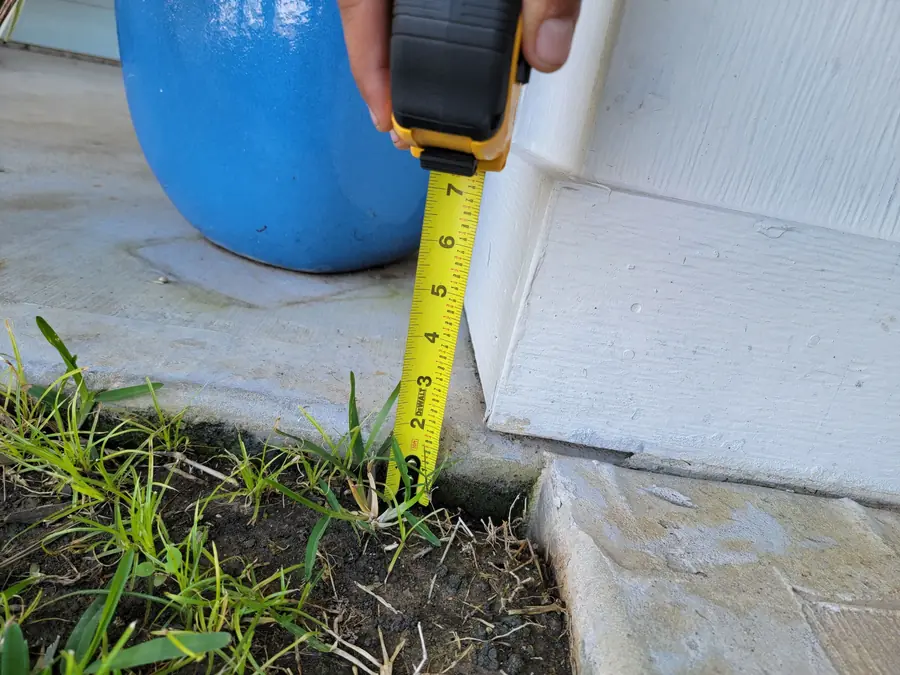
Three cost effects follow from that:
- Longer solid runs. On flat ground the nearest low point is often the street or a ditch, not a corner of the backyard. That adds non-perforated pipe and trench.
- More collection points. Water sits in several shallow low spots instead of draining to one. More low spots mean more catch basins.
- Filter fabric and clean stone matter more. Fine clay particles clog a drain built without a filter layer. Skipping fabric saves a little now and often leads to a full French drain repair later.
Rain volume is the other half. The National Weather Service's 1991 to 2020 normal for Houston Hobby is 55.62 inches of rain a year. A drain sized for a light shower and not a Gulf Coast downpour is cheaper to build and does not hold up.
Does lawn and landscape restoration add to the cost?
Yes, and it is one of the lines most often left vague. Digging a trench through a lawn means backfilling, compacting, hauling off the extra clay and covering the strip with seed or sod. Beds, edging and sprinkler lines in the path add more. A fair estimate names all of it.
How much restoration a job needs depends on the route. A line along a fence through bare dirt needs little. A line across the middle of a mature St. Augustine lawn, past a flower bed and under a sprinkler zone, needs much more.
Ask two questions of any bid. First, is sod or seed included, and over what area? Second, who repairs sprinkler lines the trench crosses? If the answers are not on paper, assume they are not in the price.
Is repairing an old French drain cheaper than a new one?
Usually the total is lower, but the cost per foot is higher. A crew still has to find the line, dig to it, fix it and restore the lawn, whether the damaged stretch is short or long. If most of the line has failed, replacing it can be the better value.
What decides it is why the drain stopped working. A crushed section or a buried outlet can often be fixed in place. Stone packed solid with clay, or a line with no fall, usually cannot be fixed by flushing. The French drain repair page goes through how a failed line is diagnosed.
Adding a cleanout during a repair is a small extra that pays back later. It gives a way to flush the line or run a camera without digging again.
What should a written French drain estimate include?
Enough detail that you could hand it to another contractor and get a price on the same job. A single number with no scope cannot be compared. Use this list to check any estimate, including ours.
- Approximate footage of perforated pipe and of solid pipe, and the pipe size and type
- Stone and filter fabric around the perforated sections
- How many catch basins and grates, and where they go
- Where the outlet is: curb, ditch, emitter or pump basin
- Whether downspouts are included, and in separate solid pipe
- A cleanout for flushing the line later
- Trenching, hauling off extra soil and how the lawn and beds are restored
- Whether sod or seed is included, and over what area
- How sprinkler crossings are handled, and who calls 811
- Any permit or HOA submittal, and who handles it
- Labor shown separately from materials, with sales tax as its own line
If two estimates differ by a lot, line them up against this list. The gap is usually a missing restoration line, a shorter run to a closer outlet, fewer inlets, or no fabric.
Labor and trenching tend to be the larger share of a finished drain. That is why the price of a section of pipe at a home store says little about what a working drain costs. Getting that pipe into a trench at the right depth and fall, tied to inlets and an outlet, with the lawn put back, is where the work is.
How can you keep a French drain project's cost down?
Fix the cheapest water source first, keep the run as short as the problem allows, and do not pay for inlets where water does not collect. On many lots, those three choices move the total more than haggling over any single line.
- Deal with gutters first. A single roof section can dump a lot of water into a side yard. Piping downspouts away may shrink the wet area, and the drain with it.
- Check whether grading alone would work. If the yard simply tilts toward the house, reshaping the ground or cutting a shallow swale may be enough. Our French drain vs swale guide compares the two, and grading and swales covers the work.
- Put inlets only where water stands. Watch the yard in a heavy rain and take photos. A catch basin at each real low spot earns its place; one at a spot that drains fine does not.
- Pick the shortest workable outlet. If there is genuinely lower ground on your lot away from the house, an emitter there can save a long run to the street.
- Clear the route. Moving pots, pavers and plants yourself, and flagging sprinkler heads, saves time on the day.
- Combine work. If you also need a downspout line or a channel drain at the driveway, pricing it in the same visit avoids paying twice for setup and restoration.
- Do it once. A drain without fabric or with a buried outlet is cheaper this year and costs a repair later.
Is it cheaper to install a French drain yourself?
In cash, usually yes, because labor and trenching are a large part of a hired job. In return you take on digging in dense clay, setting the fall, choosing a legal outlet, the 811 call and the lawn repair. The savings are real only if the drain works the first time.
| Task | Doing it yourself | Hiring it out |
|---|---|---|
| Digging | Rent a trencher or dig by hand in heavy clay | Crew and equipment |
| Setting fall | Your level and string line over the full run | Measured and set by the installer |
| Outlet | Your call on curb, ditch or emitter, and any rules | Chosen and checked against local rules |
| 811 locate | You call Texas811 before digging | The contractor calls; you can ask for the ticket |
| Materials | Buy pipe, stone, fabric, fittings, fill | Included on the estimate |
| Lawn repair | Haul spoil, regrade and re-sod yourself | Restoration listed on the estimate |
Where DIY drains go wrong is not the pipe. It is the fall and the outlet. A line that is flat or has a low belly holds water and silts up. An outlet set too high does nothing.
If you do dig yourself, call 811 first. Texas811 says state law requires contacting it at least two business days before digging, not counting weekends and holidays, even in your own backyard. The locate is free, but utilities mark only their own lines. Private lines such as sprinkler pipes are the owner's to locate.
A middle path some homeowners take: have the drain designed and the outlet sorted out by a contractor, and handle simpler pieces, like moving plants out of the route, themselves. Our French drain installation page explains the materials, depth and slope a working drain needs.
Do permits, HOAs or 811 add to the cost?
Sometimes, depending on your city and neighborhood. The 811 locate itself is free. Permits and HOA approval are set locally, so they tend to add time and paperwork more often than a large fee. We check the rules for your address before we price the job.
- City permits. League City's Building Department lists area drains and grading or filling lots among the work that needs a permit. Other cities set their own rules, and an outlet through a curb or into a city ditch can involve the right-of-way.
- HOA approval. Deed restrictions are enforced by the homeowners association, not the city. Check your deed restrictions or ask the HOA whether drainage or grading work needs approval before it starts.
- Texas811. When you hire a contractor, Texas811 puts the call on the contractor. You can ask for the ticket number before digging starts.
A permit or HOA review can also change the design, and so the price. If a curb outlet is not allowed, the drain may need a different exit, such as a pop-up emitter on lower ground or a pump basin.
How do we arrive at the price for your yard?
We come out for a free on-site assessment, measure the run and the fall to each possible outlet, count the low spots that need inlets, and look at access, soil and what is in the way. Then you get a written estimate with each part of the job shown, matching the checklist above.
If a cheaper fix such as regrading or a downspout line would solve the problem, the visit is where that comes out. Our yard drainage page covers the other options we look at.
We work in League City, Pearland, Friendswood, Dickinson, Texas City, Galveston, Santa Fe, San Leon, Alvin, Clear Lake, Deer Park and Houston. The full list is on our service area page.
When you are ready, request a free quote or call 713-979-9569.
Drainage services
French Drain Installation
A perforated pipe in a gravel trench that collects water below the surface and carries it to a safe outlet.
Learn more →French Drain Repair
Clogged, crushed or silted-up drains diagnosed and repaired, or rebuilt when the old one cannot be saved.
Learn more →Yard Drainage
Standing water, soggy low spots and runoff toward the house, solved with the right mix of drains and grading.
Learn more →Catch Basins
A grated box set at the low spot that catches surface water and sends it into an underground pipe to the outlet.
Learn more →Channel and Trench Drains
A long grated channel across a driveway, patio or garage entry that stops sheet runoff before it reaches the house.
Learn more →Downspout Drain Lines
Solid underground pipe that carries roof water from each downspout to the street or an outlet instead of the foundation.
Learn more →Sump Pumps
For lots with no downhill exit: a basin and pump that lift collected water up and out to where it can drain.
Learn more →Grading and Swales
Reshaping the ground, or cutting a shallow channel, so surface water flows away from the house on its own.
Learn more →
French drain cost questions
Why won't you put a French drain price on the website?
Because any number we posted would be wrong for most yards. Two drains of the same length can differ a lot once you count inlets, outlet distance, depth on a flat lot and how the crew gets equipment in. A price measured on your lot is the only one worth planning around.
Why does a short French drain cost more per foot than a long one?
Part of every job is close to fixed: getting equipment to the yard, locating utilities, setting the outlet and putting the lawn back. On a short run those steps are spread over fewer feet, so the cost per foot is higher even though the total is lower. Long runs spread the same setup across more pipe.
Does the cost of a French drain include fixing my lawn afterward?
It should, and a written estimate should say so plainly. Restoration covers backfilling the trench, hauling off extra clay, leveling, and either re-seeding or laying sod over the dug strip. Some bids leave it out to look cheaper, so check whether sod or seed is named before comparing totals.
How much do catch basins add to the price of a French drain?
The basin and grate are small parts of the bill. What adds cost is the pipe and trench that connect each inlet to the main line. A basin sitting right on the drain route adds little; one at a low spot across the yard brings its own run of digging, pipe and restoration with it.
Is a pop-up emitter cheaper than running the drain to the street?
Often, at least up front, because the line can end on lower ground on your own lot instead of running solid pipe all the way to the curb. On flat clay lots, though, water can sit where the emitter surfaces. The cheaper outlet only saves money if there is truly lower ground for it to drain to.
Why do French drain quotes from different contractors vary so much?
Mostly because they are not pricing the same job. One bid may include filter fabric, catch basins, a cleanout and sod; another may skip restoration or run a shorter line to a closer outlet. Line the bids up item by item, footage, materials, outlet and lawn work, before comparing the totals.
What should I have ready before someone comes to price a French drain?
Photos or video of where water stands after a heavy rain help the most, since the yard is often dry on the day of the visit. Also note where the downspouts empty, any sprinkler lines or buried cables you know of, gate widths, and whether your HOA requires plans before drainage work.
Stop the standing water before the next storm
Tell us where the water collects. We will come out, find where it should go, and give you a price.